
Crawl Space Water Problems: What They Usually Mean and What to Do Next
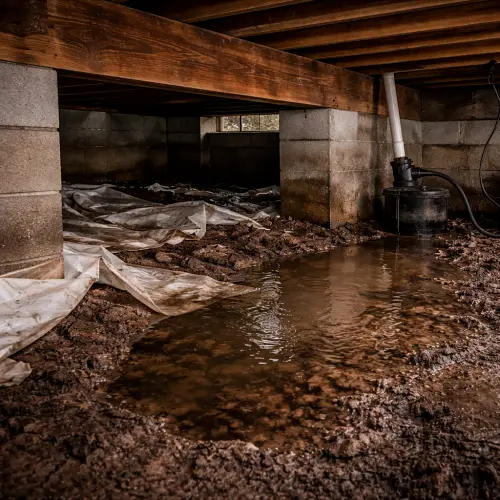
Water in a crawl space can create ongoing moisture problems that affect the entire home. Sometimes the issue is obvious, standing water or muddy soil. Other times it shows up as damp air, musty odors, or wood that feels slightly soft or humid.
Because crawl spaces sit below the living area, moisture there tends to rise and spread. That can increase indoor humidity, contribute to odor issues, and accelerate deterioration in wood framing and subfloor materials over time.
This guide explains what crawl space water problems typically indicate, common causes, and what homeowners usually do next.
What Are Crawl Space Water Problems?
Crawl space water problems develop when excess moisture collects beneath a home or the crawl space remains damp for extended periods. Common sources include poor exterior drainage, groundwater, plumbing leaks, humid outside air, and moisture moving through the surrounding ground.
Persistent moisture can lead to standing water, damp insulation, wood staining or deterioration, musty odors, and increased humidity beneath the home. Because crawl spaces are often out of sight, moisture problems may develop gradually before they become noticeable elsewhere in the house.
What Crawl Space Water Usually Indicates
Crawl space moisture generally points to one of three conditions: surface water collecting under the home, groundwater pressure rising into the crawl space, or persistent humidity caused by ventilation and vapor issues.
Poor Drainage Around the Home
One of the most common causes of crawl space water is surface runoff that isn’t directed away from the foundation. When water pools near the home, it can migrate under the structure and settle in the lowest areas.
This is more likely when:
gutters overflow during storms
If the crawl space water is strongly tied to rainfall timing, surface drainage is often a leading suspect. Exterior grading issues that create pooling water near the foundation frequently contribute to crawl space saturation.
If water is collecting under the home, it often helps to review how exterior drainage is directing water toward or away from the foundation.
Rising Groundwater or Seasonal Saturation
In some homes, crawl space water appears even when surface conditions look dry. That often happens when high groundwater conditions raise moisture levels seasonally or when prolonged periods of soil saturation keep the ground beneath the home consistently wet.
This can create:
damp soil that never fully dries
puddling in low areas
moisture that returns after extended wet weather
In these cases, the issue may be less about one specific “leak” and more about overall pressure and saturation under the home.
High Humidity and Vapor Migration
Not all crawl space problems involve visible standing water. Some crawl spaces have damp air and condensation that cause long-term moisture exposure without obvious puddles.
High humidity can be driven by:
wet soil evaporating into the crawl space air
missing or damaged vapor barriers
poor ventilation design (varies by climate)
air leakage between crawl space and living areas
Humidity-only crawl spaces can still create odor, mold risk, and gradual deterioration if conditions persist.
Common Signs of Crawl Space Water Problems
Some crawl spaces develop obvious puddling. Others show subtle moisture effects over time.
Standing Water or Muddy Soil
Standing water usually suggests:
surface runoff is entering the crawl space area
groundwater is rising into the space
the crawl space floor is lower than surrounding grade
If water remains for days after a storm, it often indicates slow drainage or soil that stays saturated.
If water remains or returns after rainfall, it may help to review the conditions that allow moisture to build up around and beneath the foundation.
Musty Odors or Damp Air in the Home
Crawl space moisture often shows up as:
musty smells near vents or floors
damp-feeling air inside the home
higher indoor humidity readings
odors that worsen seasonally
This happens because air movement and stack effect can pull crawl space air upward into the home. These odors often resemble the symptoms described in musty basement conditions, even when the moisture source is below the floor.
Wood Moisture, Staining, or Early Deterioration
Persistent crawl space moisture may lead to:
damp insulation
staining on joists or subfloor
fastener corrosion
wood that feels soft or humid over time
These are not automatic signs of structural failure, but they are signals that moisture conditions are persistent enough to affect materials. Prolonged crawl space moisture can accelerate material deterioration or damage to framing components over time.
| What Homeowners Notice | Common Contributing Factor | Common Next Step |
|---|---|---|
| Standing water beneath the home | Poor drainage, groundwater intrusion, or low crawl space elevation | Improve drainage and moisture control |
| Musty odors inside the home | Elevated crawl space humidity or damp materials | Reduce moisture and improve ventilation |
| Damp or stained insulation | Moisture intrusion or condensation buildup | Inspect insulation and control moisture sources |
| Soft wood or sagging floors | Long-term moisture exposure affecting framing materials | Evaluate crawl space conditions and structural components |
| Condensation on pipes or surfaces | High humidity and poor airflow | Improve airflow or reduce humidity levels |
Key Crawl Space Moisture Facts
- Relative humidity above 60% inside a crawl space can increase the likelihood of mold and moisture-related odors.
- Standing water beneath a home may contribute to wood deterioration, insulation damage, and elevated indoor humidity over time.
- Poor exterior drainage is one of the most common contributors to crawl space moisture accumulation.
- Crawl spaces with limited ventilation or inadequate vapor barriers may retain moisture longer after heavy rain or humid weather.
- Moisture problems that persist beneath a home can eventually affect indoor air quality and nearby building materials.
“Many crawl space moisture problems begin outside the home where drainage, grading, or groundwater conditions allow water to collect near the foundation. Over time, that moisture can migrate beneath the structure and contribute to humidity, odors, and material deterioration inside the crawl space.”
— Foundation Water Guide Editorial Team
Is Water in a Crawl Space Serious?
Water in a crawl space is often worth addressing early because the impact is typically cumulative. Even mild, repeated dampness can create long-term issues if it continues season after season.
Crawl space moisture becomes more concerning when:
standing water is recurring
wood materials remain damp for long periods
odors and humidity spread into living areas
there are signs of material deterioration or mold growth
the issue persists despite basic drainage improvements
The goal is not to panic, it’s to prevent ongoing exposure that can gradually worsen conditions over time. If moisture levels remain elevated, conditions beneath the home can eventually contribute to interior water problems such as basement seepage or damp walls above.
What Homeowners Usually Do Next
Most homeowners take a stepwise approach, starting with the simplest high-impact checks.
Step 1 — Reduce Water at the Source
Common first actions:
-
extend downspouts away from the home
-
correct grading where water flows toward the foundation
-
address pooling near the foundation
-
ensure gutters are working properly
If the crawl space water follows rain timing, drainage corrections often reduce the issue.
If you’re starting with these exterior improvements, these pages can help explain how water is managed around the home and how it may be reaching the crawl space:
Step 2 — Improve Moisture Control Inside the Crawl Space
Depending on the climate and crawl space design, homeowners may consider:
repairing or installing a ground vapor barrier
sealing major air leaks
improving ventilation strategy (or adjusting it if it’s making humidity worse)
monitoring humidity levels over time
The goal is to reduce moisture evaporation from soil and prevent damp air from spreading upward.
Step 3 — Get an Evaluation if Moisture Persists
If water is recurring or the crawl space shows signs of material impact, a professional can help determine whether:
drainage or groundwater control is needed
a crawl space encapsulation approach makes sense
structural materials are being affected
An evaluation is most useful when you’ve already observed patterns and timing.
Key Takeaways
- Crawl space water problems develop when moisture collects beneath the home’s floor structure.
- Common sources include groundwater seepage, surface runoff, plumbing leaks, or humid outside air entering crawl space vents.
- Persistent crawl space moisture can increase humidity levels throughout the home and contribute to mold growth.
- Identifying the source of moisture early can help prevent larger interior water problems from developing.
Where To Go Next
If you want to understand how water reaches the foundation:
If you want to explore related interior moisture problems:
If moisture conditions seem persistent or worsening:
If you want to understand foundation water problems where you live:
Frequently Asked Questions About Crawl Space Water
What Causes Water in a Crawl Space?
Water in a crawl space is commonly caused by poor exterior drainage, groundwater intrusion, plumbing leaks, humid outdoor air, or grading that allows water to collect near the foundation. In many homes, moisture enters gradually over time rather than appearing all at once after a storm.
Can Crawl Space Moisture Damage a Foundation?
Persistent crawl space moisture can contribute to conditions that affect surrounding materials over time. Saturated soil, elevated humidity, and long-term moisture exposure may increase the likelihood of wood deterioration, shifting soil conditions, or other moisture-related foundation concerns.
How Much Water in a Crawl Space Is Normal?
A crawl space should generally remain dry or only slightly damp under normal conditions. Standing water, muddy soil, persistent condensation, or moisture that remains for long periods after rain may indicate drainage or ventilation conditions that deserve closer evaluation.
What Is Hydrostatic Pressure?
Hydrostatic pressure is the force created when water builds up in saturated soil around or beneath a foundation. As moisture accumulates, pressure can increase against foundation walls, floors, or crawl space surfaces, especially after heavy rain or prolonged wet conditions.
Home › Interior Water Problems › Crawl Space Water Problems