
Can Water Come Up Through a Basement Floor?
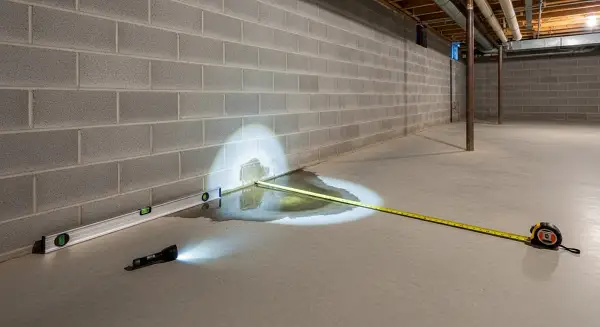
Water appearing on a basement floor can be confusing for homeowners, especially when there is no obvious leak from a wall or pipe. In some cases, moisture may be moving upward through the concrete floor itself or entering where the floor meets the foundation wall.
This type of water intrusion is often related to groundwater pressure, saturated soil, or conditions beneath the slab. Understanding how water can move through or beneath a basement floor can help explain why moisture appears in certain situations.
Common Reasons Water May Appear Through a Basement Floor
| Possible Cause | What May Be Happening |
|---|---|
| Groundwater beneath the slab | Pressure pushes moisture upward through concrete |
| Saturated soil around the foundation | Moisture accumulates near basement walls and floors |
| Wall-floor joint openings | Water follows natural seams into the basement |
| Surface drainage problems | Excess water collects around the foundation |
| Cracks or foundation openings | Water finds pathways through the structure |
“Water appearing through a basement floor is often related to moisture conditions beneath the home rather than a leak visible on the wall. Understanding how water moves below the slab can help identify the most likely source.”
— Foundation Water Guide Editorial Team
How Water Can Reach a Basement Floor
Water showing up on a basement floor is not always caused by a plumbing problem. In many homes, the source is related to how moisture behaves in the soil below and around the foundation.
When the surrounding ground becomes saturated, water pressure can build beneath the basement slab or along the wall-floor joint. This pressure may allow moisture to move upward through porous concrete or enter through small openings where the slab and foundation meet.
Understanding how water enters a foundation can help explain why basement floor moisture appears even when walls do not seem visibly wet.
Groundwater Pressure Beneath the Slab
In some areas, groundwater levels rise during extended rainfall, snowmelt, or seasonal changes. When the water level in the soil rises high enough, pressure beneath the basement floor can increase.
This type of pressure can push moisture upward through the concrete slab or into the basement through joints and small openings.
Learn more about high groundwater tables and how they affect foundations.
Saturated Soil Around the Foundation
When the soil around a home becomes saturated, water does not always move only sideways toward foundation walls. It can also collect beneath the slab and create upward moisture pressure.
This is one reason basement floor moisture may appear after periods of heavy rain or prolonged wet weather.
Learn more about soil saturation and expansive clay conditions around foundations.
Water Entering at the Wall-Floor Joint
One of the most common places basement water appears is where the foundation wall meets the basement floor. This joint can become a pathway for moisture when surrounding soil is wet and water pressure increases near the structure.
In these situations, homeowners may notice water tracing along the perimeter of the floor rather than appearing in the center of the basement.
Learn more about water in a basement and how moisture can appear along basement floors.
Surface Water and Exterior Drainage Conditions
Basement floor moisture may begin with conditions outside the home. Poor grading, heavy runoff, roof discharge near the house, or inadequate drainage can allow large amounts of water to collect around the foundation.
As exterior water accumulates, the soil around and beneath the home may remain wet long enough for water pressure to affect the basement floor.
Learn more about surface runoff and yard drainage and poor grading around a foundation.
Foundation Openings and Entry Points
Water can enter through small openings in a foundation, including cracks, construction joints, or where walls meet the basement floor. These pathways do not always indicate structural damage but can allow moisture to move inside.
Additional information about wet basement walls can help explain how moisture moves through foundation materials.
Does Water Coming Through a Basement Floor Mean a Structural Problem?
Not always. Moisture moving through a basement floor does not automatically mean the foundation is failing.
In many cases, the issue is related to groundwater conditions, saturated soil, or drainage patterns around the home. However, repeated moisture intrusion may still deserve attention because long-term wet conditions can affect basement materials and sometimes contribute to broader foundation concerns over time.
When Basement Floor Water May Indicate a Larger Issue
In some homes, water appearing on a basement floor may be part of a broader pattern of moisture movement around the foundation. Conditions such as poor drainage, saturated soil, or rising groundwater levels can influence how water behaves beneath the structure.
Understanding foundation water risk factors can help homeowners recognize why moisture appears in certain areas of the basement.
➡ Learn more about foundation water risk factors
If you are unsure whether a basement moisture issue is minor or part of a larger concern, it may also be helpful to review:
Related Questions
Homeowners researching basement water problems often explore related questions about how moisture behaves around foundations.
Frequently Asked Questions About Water Coming Through a Basement Floor
Can water come through a basement floor without a crack?
Why does water appear in the middle of my basement floor?
Is water coming through a basement floor always a structural problem?
Can heavy rain cause water to come through a basement floor?
Home › Foundation Water Problem Questions › Can Water Come Up Through a Basement Floor?